Artificial intelligence has become remarkably good at creating things.
Give it a prompt and it can generate a logo, design a webpage, write ad copy, create a social media campaign, or produce a seemingly endless stream of creative concepts in seconds. The speed is impressive. The accessibility is transformative.
But there is one thing AI still struggles to understand:
Context.
That’s why, despite the rapid advancement of AI-powered design tools, human creativity and expertise remain essential to creating work that truly connects with people.
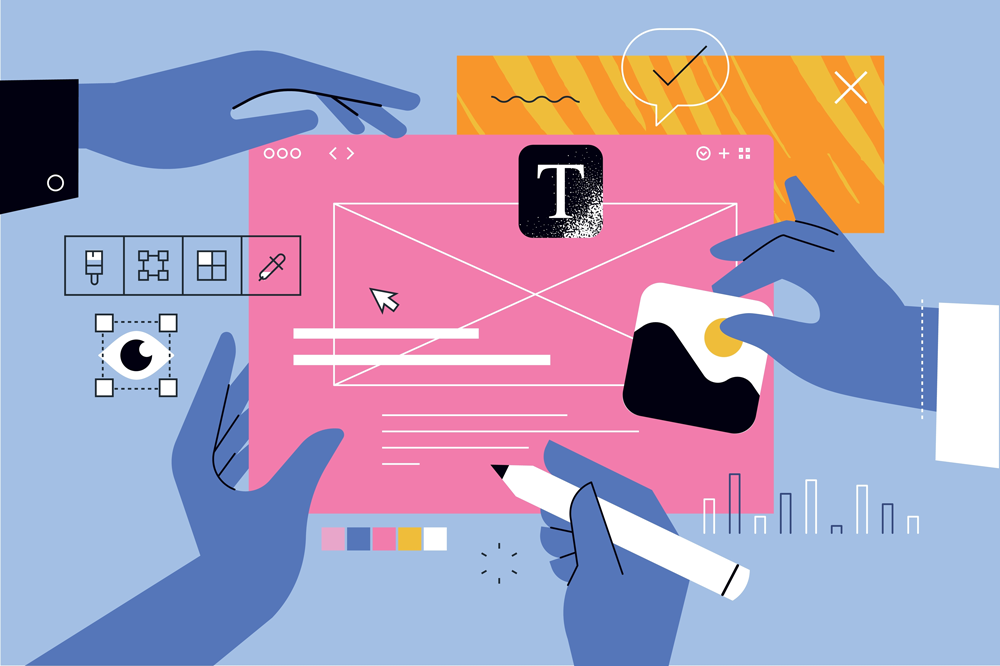
Design Is More Than Arranging Elements
Many people assume design is simply selecting colors, fonts, and images. In reality, good design is problem-solving.
A designer isn’t just deciding what looks good. They’re considering:
- Who is the audience?
- What action should they take?
- What emotions should they feel?
- What information is most important?
- What obstacles might prevent understanding?
- How does this align with the brand’s long-term goals?
AI can generate a layout. Human designers determine whether that layout actually serves the audience.
AI Doesn’t Know Your Audience
A prompt can tell AI that a company serves healthcare patients, luxury homebuyers, government agencies, or business owners.
What it doesn’t fully understand is the nuance behind those audiences.
A healthcare website isn’t simply communicating information. It may be speaking to someone who is anxious, overwhelmed, or facing an important medical decision.
A government website isn’t just publishing resources. It may need to serve thousands of residents with varying levels of digital literacy while maintaining accessibility standards.
A luxury real estate brand isn’t selling square footage. It’s selling aspiration, lifestyle, and emotional connection.
Human designers recognize these subtleties because they understand people.
Context Lives Between the Lines
One of the most overlooked aspects of creative work is the information that never appears in a project brief.
Experienced designers pick up on cues during conversations, client meetings, stakeholder interviews, customer feedback, and market research.
They notice things like:
- A client’s hesitation about a particular direction
- A disconnect between internal goals and audience expectations
- Industry trends that haven’t yet become obvious
- Cultural considerations that influence perception
- Local market dynamics that impact messaging
These insights often determine whether a campaign succeeds or fails.
AI cannot observe a room, read body language, or recognize unspoken concerns.
Humans can.
User Experience Requires Empathy
This becomes even more important when designing websites and digital experiences.
User experience design is not simply arranging content on a page. It’s understanding how real people navigate information, make decisions, and solve problems.
When users become frustrated, confused, or overwhelmed, they leave.
Great UX requires empathy.
It requires understanding what someone is trying to accomplish and removing obstacles from their path.
AI can suggest layouts and patterns based on existing examples. Human designers determine whether those patterns make sense for the specific audience and situation.
AI Doesn’t Carry Responsibility
Perhaps the most important difference is accountability.
When a website launch underperforms, when a campaign misses the mark, or when a user experience creates confusion, someone must evaluate the outcome and make adjustments.
AI can generate options.
It cannot assume responsibility for business results.
Human strategists, designers, and communicators analyze performance, interpret feedback, and refine solutions based on real-world outcomes.
That’s where expertise creates value.
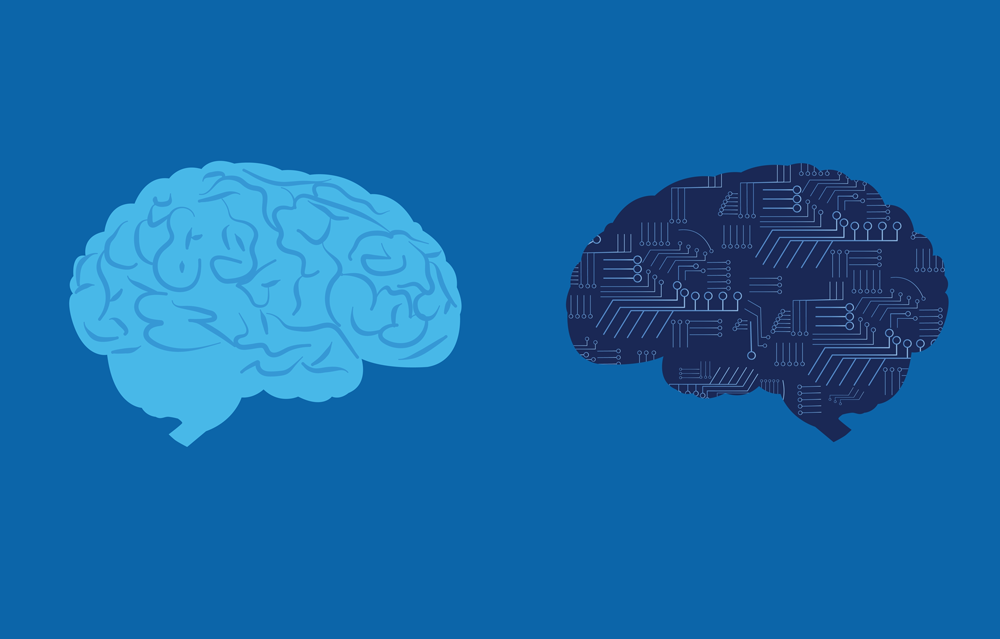
The Future Isn’t Human Versus AI
The conversation shouldn’t be about choosing between people and technology.
The strongest creative teams are already using AI to increase efficiency, generate ideas, accelerate production, and automate repetitive tasks.
But the technology works best when guided by experienced professionals who understand audience behavior, business objectives, and strategic communication.
AI is a powerful tool.
Human insight is what makes that tool effective.
The Bottom Line
Artificial intelligence can generate content, concepts, and designs faster than ever before.
What it still cannot do is fully understand the human context surrounding a project.
It doesn’t know your customers.
It doesn’t understand your organization’s culture.
It doesn’t recognize the subtle factors that influence trust, decision-making, and emotional connection.
That’s why the most successful organizations won’t replace human creativity with AI.
They’ll combine the efficiency of technology with the judgment, empathy, and expertise that only people can provide.
Because in the end, the best design isn’t created by the fastest tool.
It’s created by the people who understand why the work matters in the first place.