

Q: Is traditional SEO still important in 2026?
Absolutely.
Search Engine Optimization (SEO) remains one of the most important ways organizations increase visibility online. However, SEO alone is no longer enough.
Consumers are increasingly turning to AI-powered tools such as ChatGPT, Gemini, Claude, and Perplexity to research products, services, destinations, healthcare providers, financial advisors, and professional services firms. Instead of scrolling through pages of search results, users are asking AI assistants direct questions and receiving curated answers.
Organizations that want to remain visible must optimize for both traditional search engines and emerging AI-powered search experiences.
Q: What is Generative Engine Optimization (GEO)?
Generative Engine Optimization (GEO) refers to the practice of creating content and digital experiences that help AI systems understand, trust, and recommend your organization.
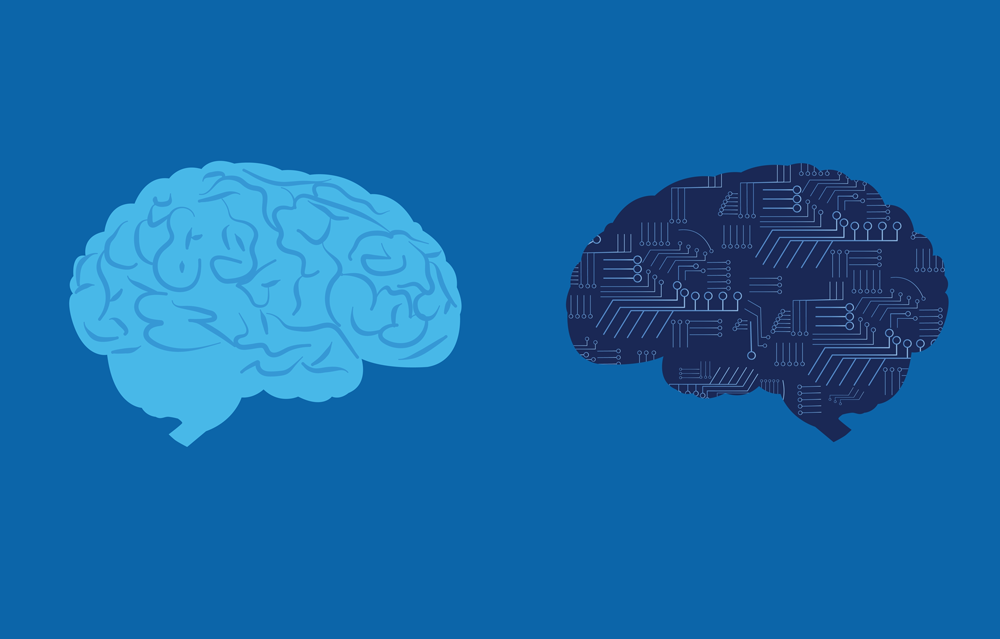
While SEO focuses on ranking in search engine results pages, GEO focuses on increasing discoverability within AI-generated responses.
Think of it this way:
- SEO helps users find you.
- GEO helps AI recommend you.
The two strategies work together and should be considered part of a modern digital marketing approach.
Q: How do AI systems decide which businesses to recommend?
AI platforms evaluate a variety of signals when generating responses, including:
- Website content
- Structured information
- Authority and credibility indicators
- Online mentions
- Accessibility
- User experience
- Consistency across platforms
The more clearly your organization communicates who you are, what you do, who you serve, and why you’re credible, the more likely AI systems are to surface your content.
Q: What role does website design play in AI discoverability?
A significant one.
Many organizations focus exclusively on content while overlooking the foundation that supports it.
Website design, information architecture, navigation structure, and content organization all influence how easily search engines and AI systems can understand your site.
A well-designed website should:
- Clearly communicate services and expertise
- Organize information logically
- Support accessibility standards
- Load quickly on all devices
- Create a positive customer experience
In many cases, the structure of a website is just as important as the content it contains.
Q: What is information architecture and why does it matter?
Information architecture is the process of organizing content so users can easily find what they need.
Think of it as the blueprint behind a website.
When information architecture is poorly planned, visitors become frustrated, important content becomes difficult to find, and search engines struggle to understand relationships between pages.
Strong information architecture improves:
- User experience
- Website usability
- SEO performance
- AI readability
- Conversion rates
Ultimately, it helps both people and technology navigate your content more effectively.
Q: What is human-centered design?
Human-centered design is an approach that places the needs, behaviors, and expectations of users at the center of decision-making.
Rather than asking, “What do we want to say?” organizations begin by asking, “What does our audience need?”
This mindset influences everything from website design and content creation to branding, customer experience, and campaign development.
Human-centered design is no longer simply a design trend. It has become a business requirement.
Q: How does user experience impact business performance?
Every interaction a customer has with your organization shapes their perception of your brand.
If a website is confusing, difficult to navigate, or inaccessible, users leave.
If information is difficult to find, trust decreases.
If the experience feels intuitive and helpful, users are more likely to engage, convert, and return.
Strong user experience design often leads to:
- Increased website engagement
- Higher conversion rates
- Improved customer satisfaction
- Greater brand trust
- Better marketing performance
The customer experience is often the deciding factor between gaining a customer and losing one.
Q: What role does accessibility play in modern marketing?
Accessibility has become essential for both customer experience and discoverability.
Organizations should ensure websites and digital content follow accessibility best practices, including:
- Meaningful alt text for images
- Proper heading structure
- Readable typography
- Logical navigation
- Section 508 and WCAG considerations
Accessible content serves a broader audience while also making information easier for search engines and AI systems to understand.
Accessibility is no longer optional. It is part of delivering a high-quality digital experience.
Q: Why are authority signals more important than ever?
AI systems prioritize trustworthy sources.
Organizations that demonstrate expertise, experience, and credibility are more likely to appear in search results and AI-generated responses.
Examples of authority signals include:
- Thought leadership content
- Case studies
- Industry awards
- Media coverage
- Client testimonials
- Professional certifications
- Consistent brand messaging
Authority helps establish trust with both human audiences and AI systems.
Q: What should organizations be doing today to prepare?
Organizations should begin by evaluating their digital presence through both a search and customer experience lens.
Key priorities include:
- Improving website design and usability
- Strengthening information architecture
- Investing in SEO and GEO strategies
- Creating helpful, authoritative content
- Following accessibility best practices
- Developing a clear content strategy
- Maintaining consistent branding across channels
The organizations that adapt now will be better positioned as AI-powered discovery continues to evolve.
Q: What is the biggest takeaway for businesses?
The future of marketing is not simply about ranking higher in search results.
It is about creating digital experiences that are discoverable, accessible, trustworthy, and helpful.
Organizations that combine strong branding, thoughtful website design, user experience, information architecture, SEO, GEO, and customer experience strategy will be best positioned to succeed in the years ahead.
At TradeCraft, we believe the most effective digital strategies begin with people. Technology continues to evolve, but creating meaningful experiences for customers remains at the center of every successful marketing effort.