There was a time when marketing disciplines operated independently.
Graphic design was one department. Website design was another. Public relations handled media relations. Digital marketing managed SEO and SEM. Advertising teams focused on paid media.
Today, those silos no longer work.
Customers don’t experience brands through individual channels. They experience brands through every interaction they have with an organization. That’s why the most successful companies are shifting their focus from marketing tactics to customer experience.
The brands that stand out in today’s marketplace are not necessarily the loudest. They are the most consistent.
Every Touchpoint Shapes Perception
A customer may first encounter your brand through a Google search result. They may then visit your website, follow your social media channels, read a news article about your company, click on a paid advertisement, and eventually speak with a member of your team.
Each of these interactions contributes to a larger story.
If your graphic design feels disconnected from your website design, trust begins to erode.
If your branding promises one experience but your customer journey delivers another, credibility suffers.
If your paid media campaigns drive traffic to a website that creates confusion, advertising dollars are wasted.
Modern marketing requires alignment.
Every touchpoint should reinforce the same message, visual identity, and customer experience.
Branding Is More Than a Logo
One of the most common misconceptions in marketing is that branding begins and ends with a logo.
In reality, branding is the perception people carry with them after interacting with your organization.
Strong branding influences how people feel about your company before they ever become customers.
Luxury branding provides a perfect example.
Luxury brands understand that every detail matters. Typography, photography, messaging, website design, customer service, packaging, and advertising all work together to create a cohesive experience.
The same principle applies whether you’re marketing a luxury real estate development, healthcare practice, financial institution, municipality, or consumer product.
Successful brands create intentional experiences.
Campaign Development Requires Strategic Integration
Many organizations approach campaign development by selecting individual tactics.
They launch social media campaigns.
They purchase paid media.
They redesign a website.
They issue a press release.
While each tactic may have value, the greatest results occur when these efforts are integrated into a larger strategy.
Effective campaign development combines:
- Brand strategy
- Graphic design
- Website design
- Content creation
- SEO
- SEM
- Paid media
- Earned media
- Social media
- Public relations
When these disciplines work together, they create momentum that no single channel can achieve on its own.
Paid Media and Earned Media Work Better Together
Some organizations view paid media and earned media as separate initiatives.
The reality is they are often most effective when used together.
Paid media allows brands to target specific audiences with precision and scale.
Earned media creates third-party credibility and trust.
A feature story, industry article, television segment, podcast appearance, or media mention often carries more influence than a traditional advertisement because it comes from an independent source.
When organizations align paid and earned media efforts, they increase visibility while simultaneously building credibility.
One creates awareness.
The other reinforces trust.
Together, they amplify results.
Multicultural Marketing Is No Longer Optional
Today’s audiences are more diverse than ever before.
Organizations that understand multicultural marketing gain a significant competitive advantage.
Multicultural marketing goes beyond translation.
It requires understanding cultural nuances, community values, purchasing behaviors, and communication preferences.
Whether reaching Hispanic consumers in Texas, engaging diverse communities through public outreach, or creating campaigns that resonate across multiple demographics, successful marketing requires intentionality and authenticity.
Brands that invest in understanding their audiences create stronger relationships and achieve better outcomes.
Website Design Has Become a Business Strategy
In many cases, a website serves as the first interaction a customer has with an organization.
That means website design is no longer simply a creative exercise.
It is a business strategy.
A modern website should support:
- Customer experience
- Brand positioning
- Accessibility
- Search visibility
- Lead generation
- Content distribution
- Conversion optimization
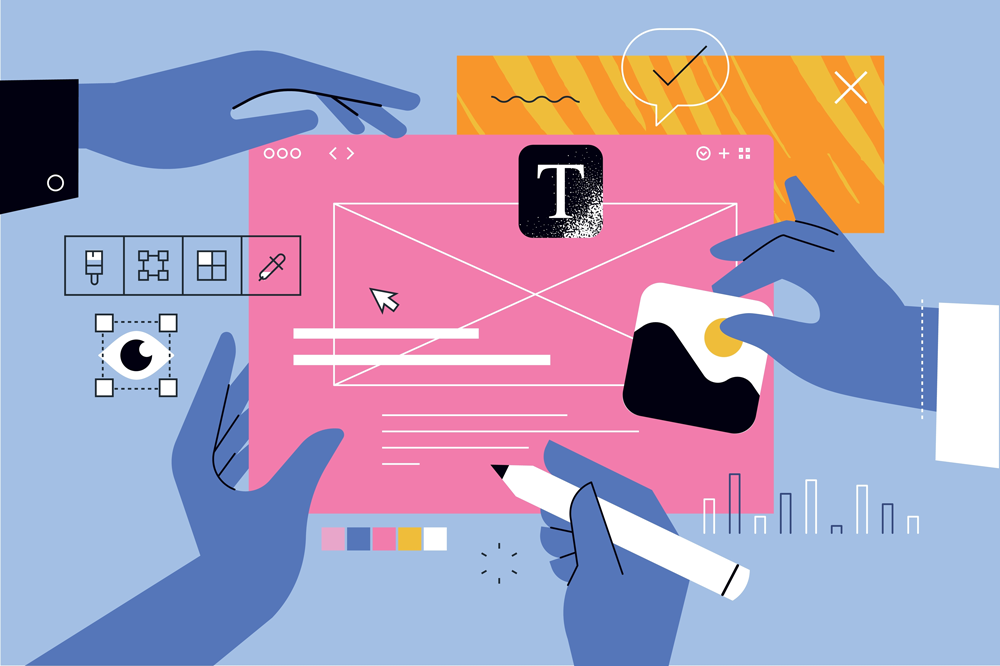
The most effective websites combine strong visual design with thoughtful information architecture and intuitive user experience.
When executed properly, a website becomes one of an organization’s most valuable business assets.
The Evolution of SEO, SEM, and GEO
Search continues to evolve.
Traditional SEO remains critical for helping users discover your content through search engines.
SEM provides immediate visibility through paid search campaigns.
Now, organizations must also consider GEO, or Generative Engine Optimization.
AI-powered platforms such as ChatGPT, Gemini, Claude, and Perplexity are changing how people find information.
Businesses that want to remain visible must create content that is structured, authoritative, accessible, and easy for both humans and AI systems to understand.
The future belongs to organizations that optimize for both traditional search engines and generative search experiences.
The Competitive Advantage Is Consistency
Marketing channels will continue to evolve.
New technologies will emerge.
Consumer behaviors will shift.
The organizations that thrive will be the ones that understand a simple truth:
Customers do not experience marketing channels.
They experience brands.
Whether through graphic design, branding, customer experience, paid media, earned media, website design, SEO, SEM, GEO, or campaign development, every interaction contributes to a larger perception.
When those experiences are aligned, intentional, and customer-focused, brands build trust.
And trust remains one of the most valuable assets any organization can possess.